10 Best Brain Exercises For Seniors To Improve Memory And Focus
Are you noticing more frequent memory lapses or difficulty concentrating? These brain exercises for memory in older people can help you regain mental sharpness and boost cognitive confidence in your golden years.
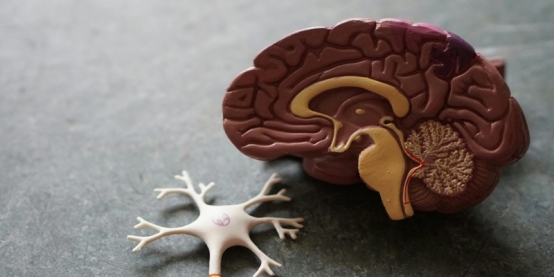
The Science Behind Brain Training For Seniors
Your ageing brain doesn't have to mean declining memory.
Research from the National Institute on Ageing demonstrates that targeted cognitive exercises can improve memory performance by up to 40% within eight weeks.
The key lies in neuroplasticity—your brain's remarkable ability to form new neural connections throughout life.
When you challenge your mind with specific exercises, you're essentially strength-training your cognitive skills.
Studies show that seniors who engage in regular brain training experience enhanced processing speed, improved working memory, and better problem-solving skills.
This scientific foundation proves that age is no barrier to cognitive improvement, making brain exercises an essential tool for maintaining mental acuity.
Memory-Boosting Brain Exercises That Work
These proven exercises target specific memory functions while keeping your mind engaged and challenged.
Cognitive Training Games (Exercises 1-3)
Exercise 1: Memory Card Matching Start with a standard deck of playing cards. Lay out 12 cards face down in a grid pattern, then flip two cards at a time to find matching pairs. Begin with 5-minute sessions and gradually increase to 15 minutes daily. This classic game strengthens working memory and visual recognition skills while providing immediate feedback on your progress.
Exercise 2: Strategic Crossword Solving Dedicate 20-30 minutes daily to crossword puzzles, starting with easier versions from local newspapers before advancing to more challenging ones. Keep a dictionary nearby—researching unfamiliar words creates additional memory pathways. Focus on themed puzzles that interest you, as engagement improves retention and makes the exercise more enjoyable.
Exercise 3: Digital Brain Training Platforms. Use apps like Lumosity, Peak, or BrainHQ for 15-20 minutes daily. These platforms adapt to your skill level and provide detailed progress tracking. Concentrate on memory-specific games rather than attempting every available exercise. Remember, consistency matters more than high scores—regular practice yields better long-term results than sporadic intensive sessions.
Reading And Writing Activities (Exercises 4-5)
Exercise 4: Active Reading Comprehension. Read for 30 minutes daily, then summarise key points in three sentences. Choose materials slightly above your comfort level—newspapers, magazines, or novels that challenge your understanding. This exercise strengthens both short-term memory formation and long-term retention while expanding your knowledge base.
Exercise 5: Reflective Daily Journaling Write for 10-15 minutes each morning about yesterday's events, thoughts, or plans. This practice reinforces memory consolidation and improves recall of personal experiences. Use prompts like 'What surprised me yesterday?' or 'What am I looking forward to?' to stimulate deeper thinking.
Focus-Enhancement Techniques For Better Concentration
Improving your ability to concentrate enhances all other cognitive functions and daily activities.
Mindfulness-Based Exercises (Exercises 6-7)
Exercise 6: Guided Meditation for Mental Clarity. Begin with five-minute sessions in a comfortable chair. Close your eyes and focus on your natural Breathing rhythm. When your mind wanders—which is entirely normal—gently redirect attention to your breath without self-judgment. This practice trains your attention muscle and reduces mental clutter. Gradually extend sessions to ten minutes as comfort increases.
Exercise 7: Structured Breathing for Concentration Practice the '4-7-8' Breathing technique: inhale through your nose for four counts, hold for seven, then exhale through your mouth for eight counts. This pattern naturally calms your nervous system while improving focus. Use this technique three times daily—morning, afternoon, and before bed—to enhance concentration during daily activities.
Movement-Based Focus Training (Exercise 8)
Exercise 8: Walking Meditation and Tai Chi. Transform your daily walk into brain training by practising walking meditation. Focus on each step's sensation, your movement rhythm, and surrounding details. Start with ten-minute sessions and gradually increase duration. Alternatively, try tai chi, which combines slow, flowing movements with focused Breathing. Many community centres offer senior-friendly classes, making this both a social and cognitive activity that supports overall wellbeing.
Advanced Brain Training Methods
These challenging exercises provide comprehensive cognitive stimulation for continued growth.
Skill Acquisition (Exercise 9)
Exercise 9: Learning New Skills Tackle unfamiliar activities that genuinely interest you and match your physical abilities. Consider language learning with apps like Duolingo, picking up a musical instrument like a ukulele or keyboard, or exploring creative hobbies like watercolour painting or digital photography. Start with 15-20 minutes daily, breaking complex skills into manageable steps. For language learning, begin with basic vocabulary; for instruments, master simple songs first. Consistency trumps intensity—regular short sessions prove more effective than occasional marathon attempts.
Social Cognitive Engagement (Exercise 10)
Exercise 10: Interactive Social Activities Join book clubs, gardening groups, or hobby circles at community centres for structured social interaction around shared interests. Consider volunteer work such as tutoring children or helping at libraries, which combines social engagement with problem-solving. Organise regular game nights featuring bridge, Scrabble, or trivia—these activities require strategy, memory, and social awareness, providing comprehensive brain exercise in enjoyable settings.
Implementation Strategies For Success
Maximise the effectiveness of your brain training with these practical approaches.
Creating Sustainable Daily Routines: Integrate brain exercises into existing schedules rather than adding separate time blocks. Practice memory games during morning coffee, complete crosswords after lunch, or engage in social activities during afternoon hours when you feel most alert. This integration makes exercises feel natural rather than burdensome.
Progress Tracking and Motivation: Keep a simple journal, noting completed exercises and post-activity feelings—track improvements like remembering more items in memory games or completing puzzles faster. Celebrate small victories to maintain motivation and recognise that progress may be gradual but consistent.
Exercise Combination Strategies: Mix different brain training types throughout your week. Alternate between solitary activities, such as puzzles, and social activities, such as group games. This variety prevents boredom, exercises different cognitive domains, and maintains long-term engagement with your brain training program.

Your Path To Enhanced Cognitive Health
Consistent brain exercise practice offers remarkable benefits, including improved memory, enhanced problem-solving abilities, increased mental flexibility, and reduced cognitive decline. These activities boost confidence, provide social connections, and contribute to overall life satisfaction. Start your journey by selecting 2-3 exercises that appeal most to you—whether daily crosswords, learning Spanish, or joining a book club. Your brain remains capable of growth and improvement throughout life, and every puzzle solved contributes to a sharper, more resilient mind. Begin today and embrace the challenge of better brain health.